


The very name of cancer is a threatening word for everyone. Millions of individuals worldwide die of various types of cancer each year. Chemotherapies and radiations are potent, but they kill not just cancer cells, but normal ones as well. Result? Immune failure, weakness, and a long recuperation.
A healthy diet is crucial in such a scenario. Vitamins play an extremely crucial role, but here is a vitamin that we neglect, Vitamin A. This is a “secret alley” and could be your backbone to vitamin A and cancer treatment and healing.
Table of Contents
What is Vitamin A?
Vitamin A is an essential nutrient that is important for healthy vision, immune function, and cellular health. It is found in two forms:
1. Retinoids (Preformed Vitamin A):
- Found in animal-based sources such as liver, fish oil, and dairy products.
- It is absorbed directly into the body and is instantly usable.
2. Carotenoids (Provitamin A):
- Found in plant-based sources such as carrots, sweet potatoes, and spinach.
- It is converted into retinoids in the body.
What is the use of Vitamin A?
- Maintains eye health.
- Boosts the immune system.
- Keeps the skin and mucous membranes healthy.
- Repairs damaged cells.
RDA (Recommended Daily Allowance) of Vitamin A:
- Men: 900 mcg/day
- Women: 700 mcg/day
- Pregnant women: 770 mcg/day
- Children: 300-600 mcg/day (according to age)
We must get Vitamin A from our diet because our body cannot produce it on its own.
Relationship between Vitamin A and Cancer Treatment

Cancer treatment, like chemotherapy and radiation, is quite aggressive. It not only targets cancer cells but also damages healthy cells. Its effect:
- Weak immune system.
- Fatigue and weakness.
- Delay in healing and recovery.
This is where vitamin A and cancer treatment comes in. Vitamin A helps in reducing the side effects of treatment and speeding up recovery.
What is the impact of vitamin A on cancer?
1. Boosting the immune system: Vitamin A activates immune cells that fight harmful cancer cells.
- Increases the production of T-cells and B-cells.
- Makes the immune system strong against infectious diseases.
2. Cellular repair and growth: During vitamin A and cancer treatment, several tissues are harmed. Vitamin A aids in the formation of new cells and the healing of damaged tissues.
3. Antioxidant protection: Free radicals are neutralized by vitamin A, an antioxidant. These free radicals promote cancer cell proliferation and therefore vitamin A and cancer treatment are the key to curtailing such damage.
4. Cancer Cell Differentiation: Studies have shown that Vitamin A can help differentiate cancer cells from normal cells, which slows their growth.
Scientific Evidence:
According to a 2020 study, people with lung cancer recover better when they consume a lot of vitamin A for cancer through their diet. It improves patients’ general quality of life and lowers fatigue levels.
Case Studies: How does vitamin A help in cancer recovery?
1. Breast Cancer Patients
A 2018 study shows the dietary intake of breast cancer patients. Patients who included vitamin A for cancer in their diet had lower fatigue levels and their recovery time was relatively shorter.
2. Lung Cancer Patients
Following chemotherapy, individuals with lung cancer have suffered from serious side effects such as nausea, vomiting, and weight loss. Side effects were significantly reduced in those who took vitamin A and cancer treatment supplements or ate a diet high in Vitamin A.
3. Prostate Cancer Survivors
Regular use of vitamin A for cancer greatly lowers the risk of cancer recurrence, according to a clinical experiment conducted on survivors of prostate cancer.
Key Takeaway:
Daily intake of vitamin A and cancer treatment aids in patients’ emotional and mental health along with helping in their physical recovery.
How to include vitamin A in your diet?
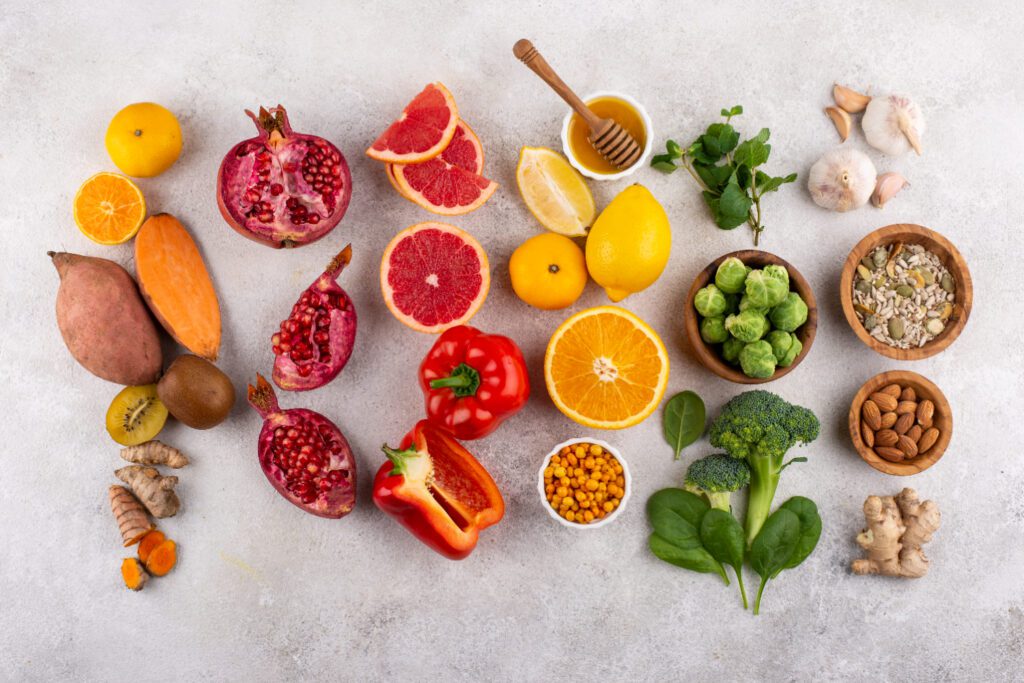
It is very important to have a balanced diet during vitamin A and cancer treatment. Here are some practical tips:
Vitamin A-rich foods:
• Animal-Based Sources:
- Beef liver: Most concentrated source.
- Eggs: Provide Vitamin A along with protein.
- Dairy products: Milk, cheese, and butter.
• Plant-Based Sources:
- Carrots: The best source of Beta-carotene.
- Sweet potatoes: One medium-sized sweet potato provides 100% of the RDA of Vitamin A.
- Spinach and kale: Leafy greens are very effective.
These foods ensure you meet your body’s needs for vitamin A and cancer treatment naturally.
Cooking Tips for Better Absorption:
1. Fats are necessary for carotenoids:
Fats are needed to absorb nutrients like beta-carotene. Cook carrots or sweet potatoes with olive oil.
2. Minimal Cooking:
Overcooking can destroy nutrients. So lightly steam or sauté foods.
3. Avoid Processed Foods:
Processed and high-fat foods slow vitamin A absorption.
Precautions and Limitations
Vitamin A is a nutrient, but its excessive consumption can be harmful.
Symptoms of overdose:
- Liver damage.
- Headaches and dizziness.
- Bone weakness.
Are supplements necessary for cancer patients?
If your vitamin A dietary intake is sufficient, it is better to avoid supplements. But if there is a deficiency, then supplements should be taken under the guidance of your doctor.
Conclusion
The most under-utilized vitamin A and cancer treatment could help us tremendously during the cancer recovery and treatment process. It enhances the immune system, repairs cells, and improves health. However, do not forget that only healthy food and medical guidance will get your health off the ground.
So, begin eating vitamin A for cancer, but make sure you follow the moderation and directions.
FAQs
What is the difference between Vitamin A and other vitamins in cancer treatment?
Vitamin A specifically targets immunity and tissue repair, which are very important during cancer treatment.
Can Vitamin A cure cancer?
No, but it is a supportive nutrient that reduces the side effects of recovery and treatment.
Can Vitamin A overdose cause harm?
Yes, overdose can cause liver damage and bone issues. So the dosage should always be controlled.
Should anything be avoided along with Vitamin A-rich foods?
Yes, high-fat processed foods reduce Vitamin A absorption. So it is better to avoid them.
How much Vitamin A should be taken during recovery after cancer?
This depends on your health and medical condition. It would be best to consult your doctor.